10% OFF on all orders
 50% OFF on orders above $499
Course Overview
Format: 4 surgical video modules + 4 subtitle (SRT) files
Total size: 39.9 GB
Delivery: HD on-demand streaming
Year: 2025
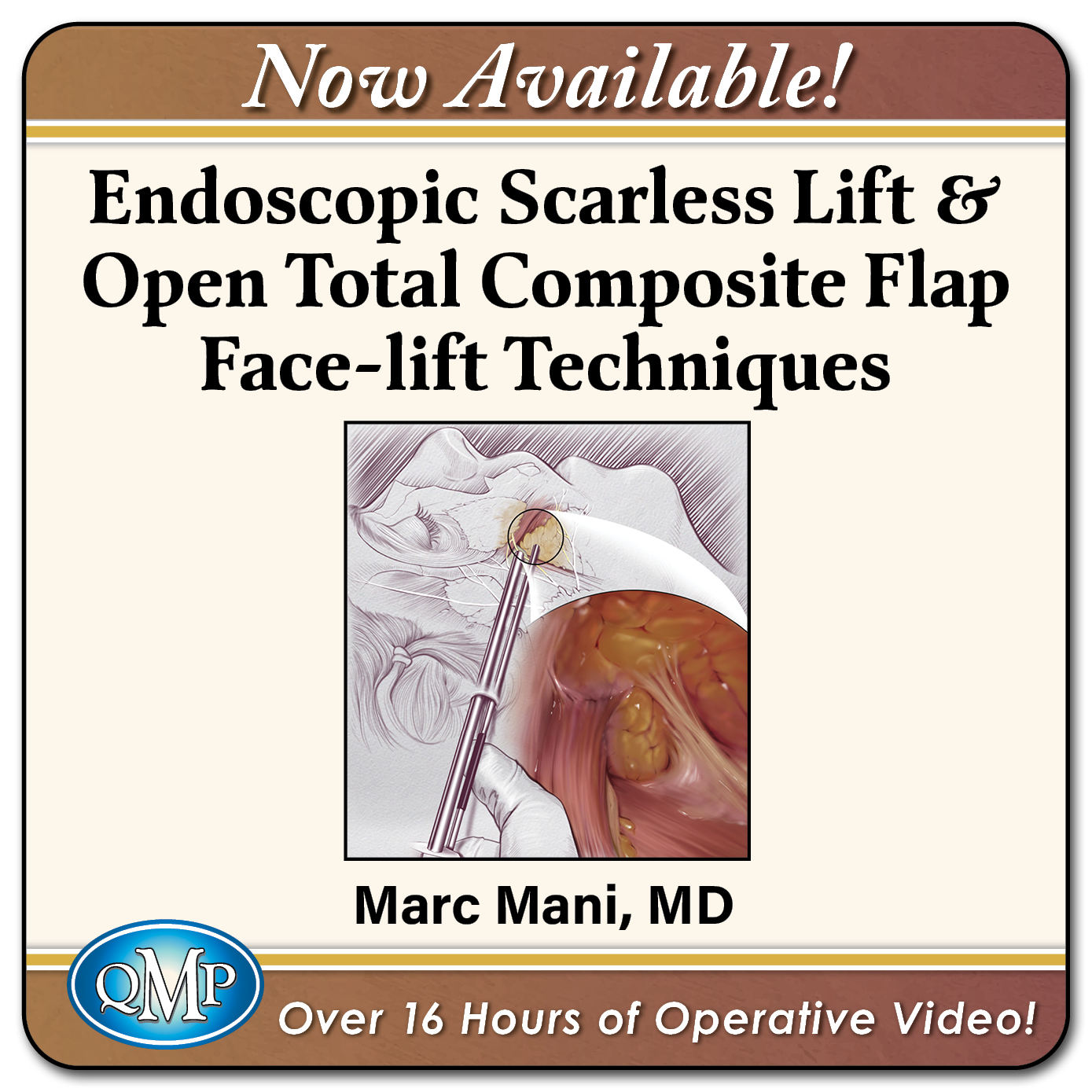
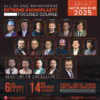
This advanced surgical education program presents a detailed exploration of modern facial rejuvenation techniques utilizing both endoscopic and open composite plane approaches. Across four complete operative cases, Dr. Marc Mani demonstrates how he applies minimally invasive access and deep-plane principles to achieve effective rejuvenation while minimizing visible scarring.
The course documents the full surgical workflow—from initial markings and operative setup through dissection, suspension, closure, and postoperative management—allowing viewers to observe real-time decision-making and technique refinement in live surgical settings.
Educational Focus
Endoscopic facelift surgery continues to gain global adoption as patient demand shifts toward less invasive options with faster recovery and discreet incisions. In this series, Dr. Mani shares his evolved methodology for composite plane facial lifting, including his published approach to deep-plane elevation performed without a traditional preauricular incision.
Rather than focusing solely on procedural steps, the program emphasizes surgical reasoning—why specific techniques, vectors, and fixation methods are chosen in each case. Viewers gain insight into the anatomical considerations and safety principles that guide these decisions, supported by clear endoscopic visualization of deep facial structures, including critical nerve anatomy.
Techniques and Concepts Covered
-
Endoscopic composite plane face and neck lifting
-
Open deep-plane (composite flap) facelift techniques
-
Scar-minimizing access strategies
-
Suspension methods using modern fixation devices and suturing systems
-
Hemostasis strategies aimed at reducing hematoma and seroma risk
-
Integration of adjunctive facial rejuvenation procedures
The series also includes demonstrations of fat harvesting and MIST™ (minimally invasive stromovascular transfer), a regenerative technique intended to improve skin quality, fine rhytids, and photoaging without reliance on energy-based resurfacing.
Additional Procedures Demonstrated
Throughout the four cases, the following procedures are incorporated as indicated by patient anatomy and goals:
-
Transconjunctival upper and lower blepharoplasty
-
Endoscopic brow elevation
-
Midface elevation via temporal tunnel access
-
Platysmaplasty
-
Digastric muscle modification
-
Submandibular gland reduction
-
Structural fat grafting and regenerative injections
These combined approaches reflect real-world comprehensive facial rejuvenation planning rather than isolated techniques.
What Participants Will Learn
-
How to execute endoscopic facial lifting with clear visualization of deep anatomy
-
Methods for achieving composite plane elevation while avoiding visible anterior scars
-
Practical application of fixation devices, cable sutures, and SMAS-based suspension
-
Strategies for combining facial lifting with ancillary rejuvenation procedures
-
Operative planning considerations for safety, balance, and longevity of results
-
Technical nuances in both minimally invasive and open deep-plane facelift surgery
Case Breakdown (16+ Hours of Operative Footage)
Case 1 – Female, Age 53
Endoscopic composite plane face and neck lift with brow and midface elevation, transconjunctival lower eyelid surgery with internal fat repositioning, platysmaplasty, and fixation using ribbon-based suspension.
Case 2 – Female, Age 54
Revision-oriented scar-minimizing facial lift including correction of prior fat transfer, lower eyelid surgery, neck contouring with muscle reduction, composite plane elevation, and regenerative fat-based treatment.
Case 3 – Female, Age 60
Open total composite flap face and neck lift combined with endoscopic brow and midface elevation, glandular reduction, structural fat transfer, and regenerative injection techniques.
Case 4 – Female, Age 47
Endoscopic facial rejuvenation emphasizing composite plane elevation, brow and midface lifting, neck contour optimization, glandular reduction, and fat-based regenerative enhancement.
Intended Audience
This program is designed for surgeons with prior experience in facial aesthetics who wish to advance their understanding of composite plane and endoscopic facelift surgery, including:
-
Board-certified plastic surgeons
-
Facial plastic surgeons (ENT background)
-
Craniofacial and aesthetic surgeons
-
Senior residents and fellows preparing for advanced aesthetic practice
-
Surgical teams involved in comprehensive facial rejuvenation care
Program Context
This course is part of an advanced surgical education series featuring live operative teaching by internationally recognized faculty. Emphasis is placed on technique evolution, anatomical precision, and practical strategies for achieving reliable, natural-looking facial rejuvenation outcomes with minimized scarring.